
English| EUR
Suggested for you
More currencies
Choose a language
Winter transforms Honolua Bay from a sheltered snorkeling haven into a dynamic, swell-driven environment that demands careful timing and ocean literacy. December through March brings the North Pacific swell season, and the bay's northwest-facing mouth funnels energy directly onto the reef. Understanding the rhythm of winter conditions turns a closed-out morning into an afternoon of exceptional visibility and encountering seasonal visitors like humpback whales offshore.
Quick answer
Honolua Bay snorkeling winter is possible but highly swell-dependent from December through March, when North Pacific swells frequently close out the bay. Water clarity peaks on calm mornings between swell events, typically two to four days per week, with surface temperatures ranging from 75 to 77°F. Entry requires assessing real-time wave height at the rocky access point; swells above four feet make snorkeling unsafe.
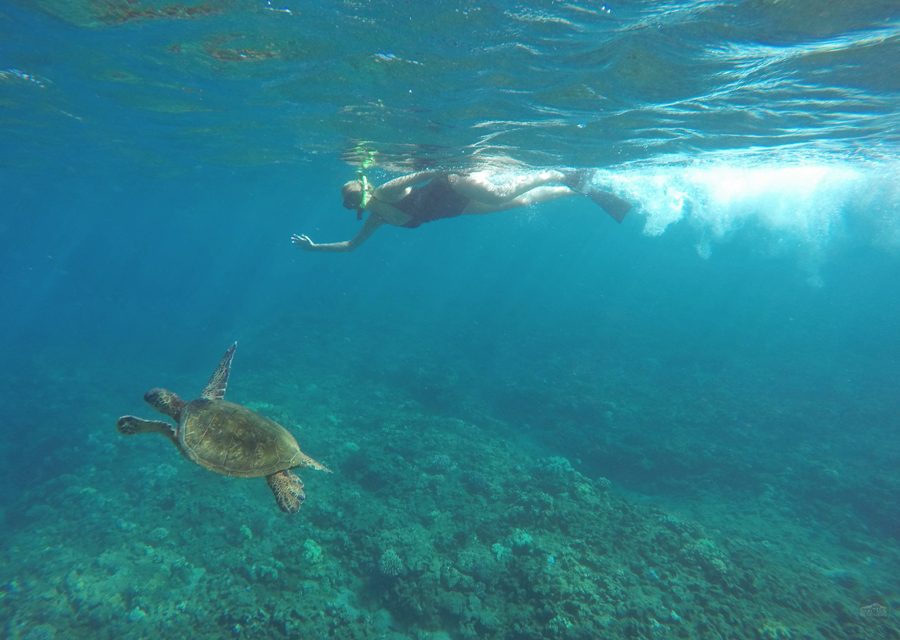
The bay sits entirely exposed to northwest swell trains that march across the Pacific from Alaska and the Aleutians between December and March. When swell arrives, the bay's funnel shape amplifies wave energy, turning the normally glassy interior into a churning whitewater zone within hours. The same geology that creates world-class surf breaks during peak swells also means snorkeling becomes impossible—currents strengthen, visibility drops to inches, and the rocky entry point disappears beneath surge. Between swell episodes, however, honolua bay snorkeling winter offers conditions that summer visitors never experience. Water clarity often exceeds eighty feet when storms scrub the atmosphere and trade winds drop. The reef fish population remains year-round, and the absence of summer crowds means encountering green sea turtles along the western wall without competition for space. Seasonal plankton blooms attract manta rays to the outer edges of the marine reserve, and humpback whales pass close enough to the headlands that their songs reverberate through the water column. Timing dictates everything. The National Weather Service issues north shore surf forecasts in three-day windows, and local surf report services update swell models every six hours. Snorkelable windows typically open forty-eight hours after a swell peaks and close twelve to eighteen hours before the next arrives. Morning remains the optimal window year-round, but winter narrows it—wind builds earlier, and afternoon chop erases the glassy conditions that make the bay legendary. Surface temperatures drop six degrees from summer highs, and most snorkelers rent or bring three-millimeter shorty wetsuits for thermal comfort during extended immersion. The bay remains open daily from midnight to midnight with no entrance fee, but winter access depends entirely on ocean literacy rather than posted schedules. Watching the bay for ten minutes before entering reveals surge patterns, rip current signatures along the rocky flanks, and whether the water inside the break remains calm enough for safe snorkeling. Local protocol holds that if whitewater reaches the interior reef shelf, the bay is closed—not by rule, but by physics.
“Between swell episodes, water clarity often exceeds eighty feet when storms scrub the atmosphere and trade winds drop.”
The best window for snorkeling Honolua Bay is during the early morning hours, specifically between 07:00–10:00, to secure the calmest water conditions and highest clarity. While summer offers the most consistent conditions, winter visitors must navigate north shore swells that can significantly impact visibility and safety.
High swell, 70°F–78°F
North shore swells often reduce water clarity and increase wave height during these months.
Calm, 72°F–80°F
Conditions stabilize as the winter swell season ends, providing clearer water for snorkeling.
—
Arriving during the best arrival window of 07:00–10:00 ensures minimal crowds and calm surface conditions.
Verdict: The best time to visit is during weekday mornings from 07:00–10:00 in the late spring or early autumn months to avoid winter swell disruptions.
Honolua Bay remains accessible to the public throughout the week, including during the winter months. The area operates on a consistent schedule to accommodate visitors.
Honolua Bay is a protected marine life conservation district, meaning access to the bay itself is managed by the state. There are no admission costs required to access the shoreline or the water.
Verdict: A typical adult pays 0 USD for entry, as access to this state-protected area remains free for everyone.
Honolua Bay is located along the northwest coast of Maui. The most direct approach is by vehicle via the Honoapiilani Highway.
Honoapiilani Highway to Mile Marker 33
Follow the trail from the Mile Marker 33 pull-off
Parking is limited to roadside pull-offs near Mile Marker 33, so plan to arrive between 07:00–10:00 to secure a space and enjoy lower visitor density.
Honolua Bay is a Marine Life Conservation District where winter snorkeling requires strict adherence to no-touch policies and reef-safe practices to protect the ecosystem during peak marine activity.
Winter snorkeling at Honolua Bay requires the right gear and timing to handle larger swells and cooler water.
Everything you need to know about honolua bay snorkeling winter
Winter months can bring larger north swells to the Maui coastline, which may affect water visibility and safety. Beginners should check local surf reports and conditions before planning their honolua bay snorkeling winter outing. Visitors are encouraged to prioritize safety when the ocean surge increases.
The best arrival window for any Maui underwater tour is 07:00–10:00 to ensure the best water clarity and lower visitor density. Planning your honolua bay snorkeling winter visit during these early hours provides the calmest surface conditions. Arriving early also helps secure a spot near the limited parking area.
There is an entrance fee of 0 USD for this protected area, meaning it is free for all visitors. You do not need to pay for access when you arrive at the Honoapiilani Highway location. Always respect the marine life and reef protections in place during your visit.
Pack high-quality gear, reef-safe sunscreen, and plenty of water for your excursion. Because this is a protected marine preserve, look for gear that does not disrupt the delicate coral ecosystem. Having your own equipment is helpful as there are no rental shops directly on-site.
While winter weather is generally mild, the Pacific can experience sudden shifts in swell intensity. Monitoring the ocean conditions is essential for any honolua bay snorkeling winter activity. It is always wise to have a flexible schedule in case the water becomes too rough for safe entry.
Many visitors choose to book a guided Maui snorkeling tour to access the bay by boat, which can be more comfortable during the winter season. These boat excursions provide professional guidance and gear, ensuring you see the best parts of the reef. Review our booking options to find a trip that fits your travel plans.
The area has limited facilities and no restrooms or shops directly at the water entry point. Prepare to carry all your belongings in and out, as this is a preserved natural habitat. Planning for these logistical needs ensures a smoother experience at this island landmark.