
English| EUR
Suggested for you
More currencies
Choose a language
The protected marine reserve at Honolua Bay offers some of Maui's clearest snorkeling water when conditions align. Seasonal swell, wind patterns, and rainfall all determine whether you find calm, glass-like visibility or whitecaps that push snorkelers back to shore.
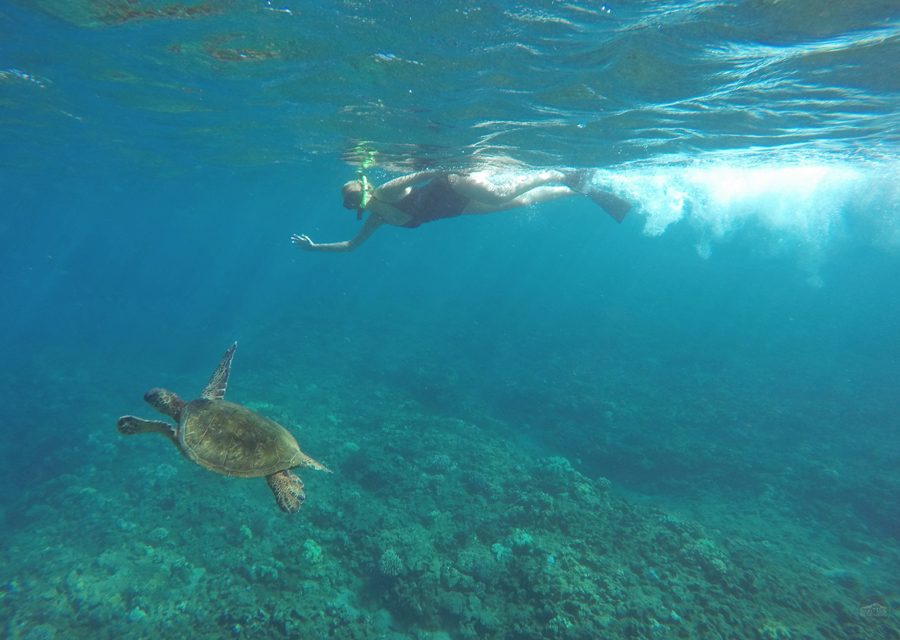
Quick answer
Honolua Bay snorkeling conditions are calmest and clearest from May through September, when summer trade winds blow offshore and winter northwest swells subside. Water visibility typically reaches 60 to 100 feet during flat summer mornings. Winter months from November through March bring powerful north swells that create dangerous shore break and turbid water unsuitable for snorkeling.
Honolua Bay sits in a north-facing embayment that funnels winter Pacific swells directly into the reef, transforming calm summer snorkeling grounds into one of Hawaii's premier surf breaks. The same bathymetry that protects the marine life conservation district during summer exposes it to powerful northwest energy between November and March. Swell direction matters more than swell size—a three-foot northwest swell will close the bay to snorkeling, while a six-foot south swell leaves the water mirror-flat. Water clarity at Honolua Bay depends on rainfall and wind. Summer trade winds blow offshore here, flattening the surface and pushing sediment away from the reef. A single heavy rain event in the West Maui Mountains sends runoff through the forested gulch at the bay's head, turning nearshore water brown for two to three days. Clear conditions return quickly once the discharge stops. Morning hours between seven and ten deliver the best visibility before afternoon wind chop develops. The bay's reef system creates micro-conditions within the larger embayment. The right side near the cliff holds calmer water during moderate swells, while the center channel funnels current and reduces visibility. Snorkelers working the shallow coral heads along the left boundary find the most consistent fish activity but face stronger surge when any north energy arrives. Local surf forecasts for the north shore provide the most reliable advance notice—anything above two feet from the northwest typically means conditions have deteriorated beyond recreational snorkeling safety. Seasonal knowledge shapes trip planning more than daily weather checks. June through August offer the highest probability of calm water, though summer's flat conditions also reduce the nutrient upwelling that drives reef productivity. September and October sit in a transition zone where early-season swells test the bay intermittently. December through February remain off-limits for snorkeling most days, reserved for experienced surfers reading the famous right-hand point break that replaces the summer sanctuary.
“Swell direction matters more than swell size—a three-foot northwest swell will close the bay to snorkeling, while a six-foot south swell leaves the water mirror-flat.”
The best arrival window is 07:00–10:00, as this period offers calm morning water and better visibility before afternoon trade winds pick up. Visiting early minimizes the impact of wind-driven surface chop that frequently develops later in the day.
Dry, 80°F–85°F
Higher chance of calm seas for longer durations throughout the morning.
Cooler, 70°F–78°F
Increased swell activity can limit access; monitor surf reports closely.
—
Provides the highest probability of quiet water and clearer visibility for snorkeling.
—
Trade winds often increase, creating surface chop that reduces water clarity.
Verdict: The best snorkeling conditions occur during weekday mornings between 07:00–10:00, ideally during the shoulder months of April or October.
Honolua Bay is a Marine Life Conservation District accessible to the public 24 hours a day. While the site remains open daily, water conditions and natural light dictate safe snorkeling viability.
Honolua Bay is a protected Marine Life Conservation District, meaning access to the water is maintained for public use. There are no admission fees required to enter or snorkel in the bay.
Verdict: A typical adult pays 0 USD for entry, though parking availability and environmental conditions remain the primary factors influencing your visit.
Honolua Bay is located along the northwest coast of Maui, accessible via Honoapiilani Hwy, Lahaina, HI 96761, USA. Visitors reach the shore by parking along the road and walking through a protected forest trail to the water.
Honoapiilani Hwy (HI-30) to the designated trailhead area
Dirt trail from the trailhead through the forest to the bay
Parking is limited to designated roadside spots along Honoapiilani Hwy. Arriving early ensures better access to these limited spaces before the trailhead becomes congested.
Honolua Bay is a Marine Life Conservation District with strict regulations designed to protect the reef ecosystem and maintain water clarity for snorkeling.
Honolua Bay's remote location and variable conditions require specialized gear and preparation.
Everything you need to know about honolua bay snorkeling conditions
Visibility depends on ocean currents and weather, but honolua bay snorkeling conditions are generally clearest during the morning hours. Calm water allows for a more pleasant experience observing the diverse coral reef ecosystem and marine biodiversity.
Access to the bay is free, as there is a 0 USD entrance fee for all visitors. This area is a protected reserve maintained by the state of Hawaii.
The best arrival window is 07:00–10:00 to take advantage of calm water before afternoon winds develop. Visiting during this timeframe ensures you experience the best visibility for underwater viewing.
While the site is popular, the honolua bay snorkeling conditions vary based on surf and current strength. Families should carefully assess the water entry points and ocean safety before entering the reef area.
The bay is a marine life conservation district, meaning facilities are limited to maintain the natural environment. Visitors will find no lifeguards or public restrooms on-site, so plan your trip accordingly.
As a protected area, you must avoid touching or standing on the coral reefs and never feed the fish. These conservation rules protect the habitat and ensure the water quality remains high for everyone.
The location is found at Honoapiilani Hwy, Lahaina, HI 96761, USA, with access via a short trail through a forest. Visitors should prepare for a brief walk from the roadside parking area to reach the shoreline.
Afternoon winds typically cause increased wave action and surface chop, which can reduce clarity. This shift often makes the honolua bay snorkeling conditions less ideal for novice swimmers compared to early morning hours.